
Turning "scrolling the Bible" into a Jewish product: Torah Feed hit 83 ratings in seven weeks. The craft is learnable, the path is narrow
What it is An iPhone app that turns the entire Hebrew Bible into a short-video-style vertical feed: one verse per screen, with Hebrew, English translation and Rashi commentary, check-ins and levels. Subscriptions are $39.99 a year or $9.99 a month.
Why it's taking off It was the first to seriously bring the format Scroll The Bible proved in the Christian market into the Jewish space. It launched and ran Meta install ads just as the autumn holidays and the annual reading cycle restarted. Small-country book charts have low thresholds, so a few subscriptions can get it charted, which makes it look like it's growing when its actual scale is tiny.
CHow you can follow Stop cloning the swipe-to-read-scripture format. Copy its cold-start playbook instead (split whole scriptures into SEO pages, run Meta ads tied to the religious calendar, localize ritual rules), and build for a reading habit that has a calendar and progress tracking but no decent app yet.
Est. monthly revenue (App Store) under $1KWe estimated this from its chart ranks and rating growth across storefronts, calibrated against verified revenue; typical error is 2–3x. Read it as a tier, not an exact number.
- Data (updated daily) · launched 2026-09-18 · US store rating 92 · charted in 11-25 of 3 stores
iOS · best category chart rank · by store US storeFranceCanadaData 2026-10-28 → 2026-11-25 (29 days, 29 observations). Lower rank is higher; gaps mean it wasn't charted that dayiOS · rating count · US store Data 2026-10-28 → 2026-11-25 (29 days, 9 observations). Apple doesn't publish download counts; rating growth is a proxy for downloads.
In Sep 2026 18, a senior engineer in Tel Aviv shipped an app called Torah Feed. It turns the whole Hebrew Bible (Tanakh) into a vertical feed: one verse per screen, swipe up for the next. On the Christian side, the same format, Scroll The Bible, hit 19.6k ratings in the US and reached #3 on the Books chart within a year. Torah Feed is the first to build it seriously for Jews. Seven weeks later it charted in the Books category in the US, Israel, Canada and France, yet has only about 83 ratings worldwide. Here's how it was built, where the ranks come from, where this format can travel next, and whether it's worth chasing.
An ad that says "Stop scrolling, read Scripture"
In Sep 29, during Sukkot, a few days before Simchat Torah (the annual cycle of finishing Deuteronomy and starting over at Genesis), Torah Feed posted on its newly opened Facebook page with an "Install now" button linking to the App Store. The creative read "Scroll Torah, Not Doom". The body copy had three lines:
He used to open his phone and lose an hour to the feed. Now that same habit gives him a verse, a teaching, and a few minutes of Torah every day.
The same day, its website published a blog post, "Starting Beresheet again" (re-reading from Genesis). The app shipped version 1.4, adding a weekly parasha goal, streak freezes, evening "don't break your streak" reminders, and holiday greeting cards from the Jewish New Year through Tisha B'Av.
The ads, the content and the product features all targeted the same moment: the annual reading cycle restarting, when the most people want to "read it properly this year".
What it is
The developer, Daniel Novodvorets, lists himself on LinkedIn as a senior software engineer at the anti-fraud company Forter. This is the only app on his developer account. The pitch in one line: Turn the few minutes you were going to scroll anyway into verses, one at a time.
- 39 books and 23,206 verses, with fully vocalized Hebrew and English in the JPS 1917 translation, viewable one at a time or side by side. Every verse of the Five Books of Moses comes with commentary by the medieval exegete Rashi, in Hebrew and English.
- Check-ins, levels, daily goals, and a weekly parasha goal. The rules were adapted to Jewish practice: Shabbat and holidays don't break your streak (added in version 1.2).
- A verse can be turned into a card or GIF to share on WhatsApp. It has a desktop widget, requires no sign-up, and works fully offline.
- In 9 weeks there were 10 versions. The latest, version 1.9, added "read Hebrew with English phonetic spelling", after the only text review on Nov 1 said "it would be nice with English pronunciation". The developer replied "Added it. Hope you give it a try, and consider updating your rating."
Monetization is a subscription, Torah+: $9.99 a month or $39.99 a year, with a 3-day free trial on iPhone for the annual plan. There's a mismatch here: the website says "the Five Books of Moses are free, Torah+ unlocks the rest", while the App Store description says "reading and all features require Torah+". Which is the current real paywall is unverified.
The content costs almost nothing: the Hebrew text, the JPS 1917 English translation and Rashi are public domain or openly licensed. The hard part is making it look good. A front-end engineer with strong animation skills could reach this level of polish in a month or two (inference).
How it ranks
Start with the numbers (App Store, 10-28 to 11-08):
| Metric | Value |
|---|---|
| US ratings | 56 → 73,11 days +17, average score 4.8 |
| Global ratings | About 83 (US 73, France 5, Canada 4, Israel 1), adding 2–3 per day |
| US Books Top Grossing | Bouncing between #169 and #196, best at #169 (11-03) |
| Israel Books bestseller chart | Hit #19 on 10-30, when it had only 1 ratings in Israel; later slid to #160 by 11-08 |
| Canada / France | Best Books Top Free rank #48 / #53, best Books Top Grossing rank #70 / #60 |
| Android | Google Play 50+ downloads |
The #19 in Israel shows one thing: the bar for a book bestseller chart in a small country is low, and a few subscriptions can get you on it. Charting proves someone is paying, but the amounts are tiny. For comparison: over the same period Scroll The Bible added about 106 ratings a day in the US, while Torah Feed adds about 1.5 a day, roughly 1–2% of that. On the same day, a small Christian copycat app (22 ratings) was at #173 on the US Books bestseller chart, about where Torah Feed was.
73 ratings with only 1 written reviews usually means the in-app rating prompt is doing the work (inference), likely triggered at happy moments like completing a check-in or leveling up.
Where the first users came from
- Meta install ads: the opening ad is one example. Its App Store privacy label says purchase history, device identifiers and usage data are used for "third-party advertising" and cross-app tracking, which fits with ad-platform SDKs and sending paid events back to optimize delivery (inference). How much was spent and in which countries is not visible from outside.
- Splitting the whole scripture into landing pages: the website torahfeed.app has 1,000+ pages, including 969 book-by-book, chapter-by-chapter reading pages for the Tanakh, 62 weekly parasha pages, plus utility and intro pages like "verse of the day", "random verse generator", "who is Rashi" and "read the Torah in a year". The earliest blog post is from May 2026, meaning the site was accumulating search traffic four months before the app. The domain is still outside the global top 1M and brings few visitors for now.
- App Store keywords: the name plus subtitle is "Torah Feed: Hebrew Bible / Swipe Jewish Scripture Daily". In the US, searching "torah" ranks it #7. Searching "tanakh", "hebrew bible", "jewish bible" or "parsha" does not put it in the top 50, where they are held by Hebrew Bible Study, which has been around for a decade, and the nonprofit Sefaria.
- Instagram: @torahfeed has 403 followers, posting one piece a day on a Hebrew root or the weekly parasha, with 1–6 likes. A few posts say "comment LEARN to get the app", and it ran one giveaway of 3 months of membership. Reach is very small.
- No trace of it on TikTok, X, Reddit or Jewish media.
In short: it relies on a full set of cold-start moves (ads, SEO, keywords, the religious calendar), not on any one viral video. Followers can get the same playbook; whether it can push this far in such a small audience is still unknown, since it hasn't scaled yet.
Why the Jewish version, and who it competes with
"One verse per screen, scroll to read Scripture" wasn't invented by it. Scroll The Bible launched in December 2025, and Christians recommended it organically on TikTok (one video, "The app is SCROLL THE BIBLE btw", has 328k views). BibleScroll takes the route of "read Scripture to unlock other apps", runs 300+ ads on Meta, and has reached 9,237 ratings. Behind them came a long tail: Holy Scroll, VerseScroll, BibleTok, Scroll for Jesus… Most have single-digit to a couple hundred ratings.
On the Jewish side, nothing existed before it. In Jewish subreddits someone asked, "Has Torah fallen behind on phone apps? The Christian Bible apps are so much better." The established Jewish apps each do their own thing:
| Competitors | Scale (US ratings) | How it differs from Torah Feed |
|---|---|---|
| Hebrew Bible Study - Torah | 4,970; ranks #1 for torah / tanakh | Dictionary, line-by-line comparison, AI rabbi chat. A traditional reader with no swipe feed |
| Sefaria | 773; website about 37k monthly visitors globally | Free, nonprofit library of the full Jewish canon, more of a tool |
| TorahAnytime | 11.5k | Lecture audio and video, mostly free |
| Hineni | 391 | Daily spiritual habit app, not verse-by-verse reading |
| Scroll the Torah | 5 | Closest name, but it does quote-style content and hasn't taken off |
Its difference comes down to two things: for the Christian crowd, it swapped in Jewish texts and rituals (Hebrew original, Rashi, weekly parasha, streaks that don't break on Shabbat, and even a French version for French Jews). For the established Jewish apps, it brought TikTok-style swiping plus Duolingo-style streaks. These two points let it collect money in a small niche, but the format is borrowed, the text is public domain, and anyone can build a second one.
Where else this format can travel
The obvious thought: if it works from Christianity to Judaism, what about Islam, Catholicism, Spanish and Portuguese? In Nov 7 a search of the App Store found that all of them have been tried, and none has taken off:
- Searching "quran scroll" in the US store: The Quran Scroll, Scroll The Quran, Quran Feed, QuranScroll, Quran Scroll: Study & Listen, Quran Scroll - Hifz… at least 7 apps, the earliest from May 2025, the newest from Nov 5, all with ratings between 0 and 10.
- Searching "biblia scroll" in Brazil and Mexico: Scroll Bible: Bíblia Sagrada, VerseScroll: Feed de la Biblia, Sacred Scrolls and others, with ratings of 0–6.
- Catholic: Bless: Scroll Catholic Bible, launched Sep 22, 3 ratings.
That shows the format itself is no longer scarce. Scroll The Bible grew big by riding a huge, paying US Christian audience, plus early mover advantage and free organic buzz on TikTok. Swap in a smaller audience or a language without that organic buzz, and the scroll format alone can't carry the volume. Torah Feed is the most careful and fully executed of this batch, and it still gets only one or two ratings a day.
If it were you
C There are lessons here, but copying it now isn't worth it. The Jewish slot is already held by one well-made solo product, and the audience is small. Islamic, Spanish, Portuguese and Catholic versions have all been tried and none took off. The English Christian slot is a red sea. What's worth taking is its cold-start playbook: split a whole scripture into thousands of SEO pages, time the launch and ads to the religious calendar, and localize the ritual rules (details like the unbroken Sabbath check-in streak).
Who it suits: someone already inside a religious or language community who understands its reading habits and holidays, can ship a polished app in one to two months, and will run Meta install ads, 1–2 people.
Who it doesn't suit: anyone building another English Christian scroll Bible (there are a dozen-plus besides Scroll The Bible and BibleScroll); anyone building a second Jewish version (Torah Feed is already polished and the market is small); and anyone who only codes and hopes "it'll be searchable once it's live" (those keywords are taken by incumbents, and Torah Feed ranks only #7 for "torah").
How to do it: don't just reskin. Find a ritual that nobody has built an app for yet. The scroll is just the shell. What actually gets people to pay is a reading habit with a calendar, progress and community: weekly parasha, a daily page of Talmud, a chapter a day during Ramadan, the Catholic daily Mass readings. First check the store to confirm no decent app already owns that habit, then verify text licensing (many English translations are licensed for non-commercial use only, so don't assume public domain). Price the subscription like it does: $39.99 per year with a 3-day trial.
How to acquire users: copy its three-part stack. Meta install ads, with creative that says "stop scrolling, read Scripture"; a website that splits the whole book into per-chapter pages and goes live months early to build search presence; and a name and subtitle packed with terms people actually search. Category charts in small countries have low bars and multi-language listings earn free exposure, but don't treat that as proof of scale.
When to move: the religious calendar is the deadline. Ramadan and Catholic Lent both begin in early February of 2027, so to catch them you need to launch by mid-January and start testing creative on a small budget. On the Jewish side, the next milestone is Passover in late April of 2027.
Where this call could be wrong: (1) Torah Feed picks up speed before Passover, e.g. it passes a few hundred US ratings and enters the US Books Top Grossing top 50, which would show small religious vertical markets are bigger than they look, and the rating should go up; (2) one of the 7 Quran scroll apps passes 1,000 ratings within three months, which would confirm the Islamic slot is a real opening and needs to move fast; (3) a Brazilian or Mexican scroll-scripture app enters that country's Books Top Grossing top 20 and holds for a month, showing a language swap can carry volume and a C grade was too low. Conversely, if Torah Feed is still at one or two ratings a day next spring, with ads, SEO and calendar timing all in place, it shows even a well-executed small-audience version only earns pocket money, and this path can be dropped.
Data and sources
App Store ratings and charts (US, Israel, Canada, France, Books category), 2026-10-28 to 11-08; App Store product page, version history, in-app purchase pricing and privacy labels (11-08); App Store search results (US, Brazil, Mexico, 11-07); Google Play product page. Official site torahfeed.app: homepage, pricing, blog and sitemap. The Facebook "Torah Feed" page's install-ad post from 2026-09-29. Instagram @torahfeed. The developer's public LinkedIn profile. Store data and TikTok videos for Scroll The Bible and BibleScroll. Anything marked "inferred" or "unverified" is exactly that.
Ads it's running
Meta has shown us 47 ads; 31 are still running, earliest from Sep 2026 24.
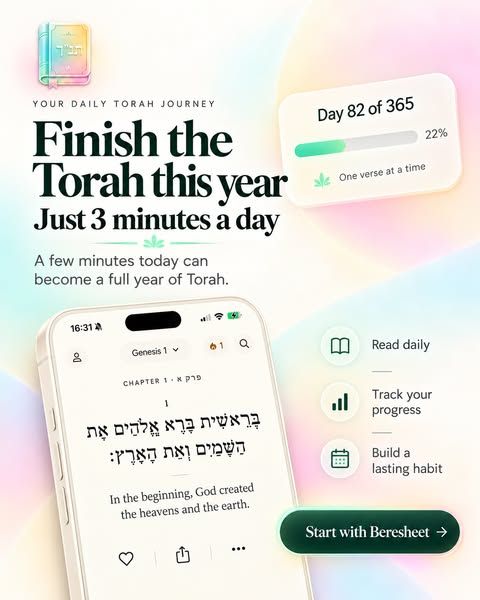
Meta · Image · Running for 24 days · Still running · View original ↗
Finish the Torah this yearThis could be the year you read the whole Torah. Torah Feed breaks it into short daily passages in Hebrew and English, about 3 minutes a day. Start with Beresheet and track your progress all the way to the end.
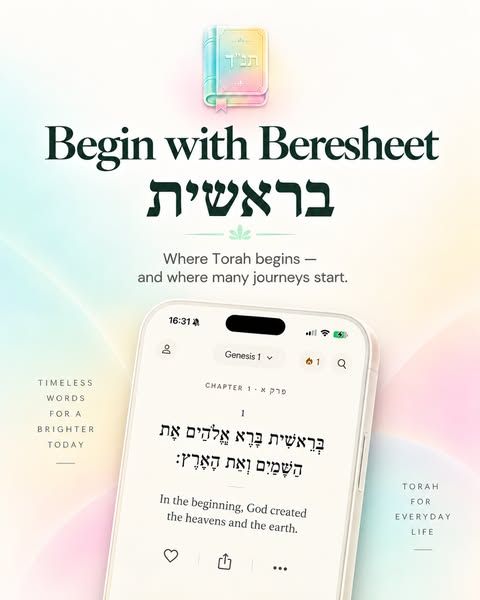
Meta · image · running for 24 days · still running · 4 versions · view original ↗
Torah FeedReplace a few minutes of social media with a few minutes of Torah. Simple, beautiful, daily.
 Meta · image · 24 days
 Meta · image · 24 days
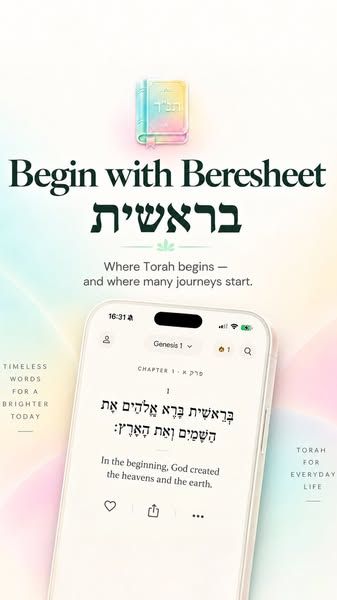 Meta · image · 23 days
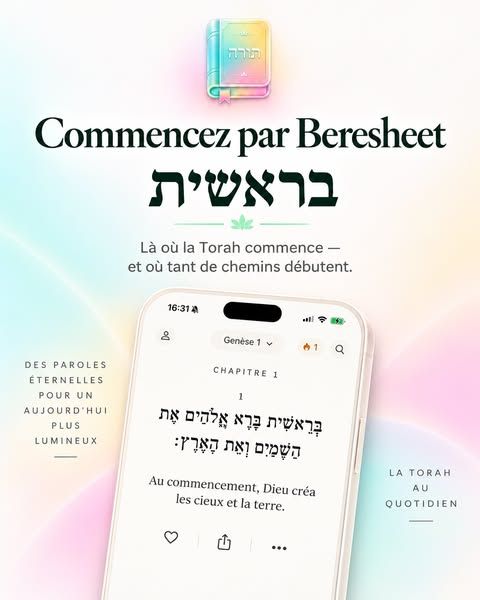 Meta · image · 20 days
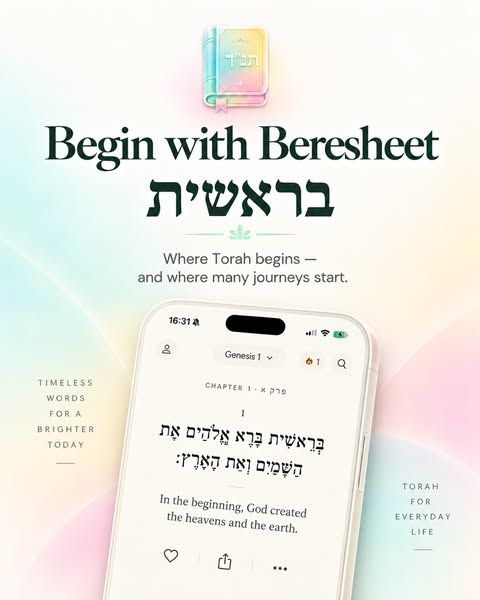 Meta · image · 18 days
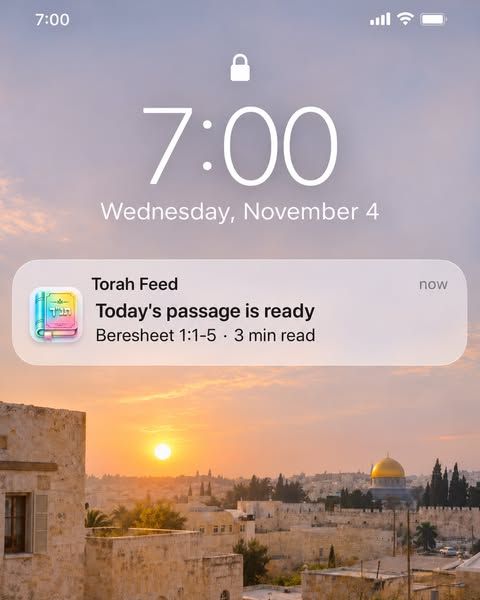 Meta · image · 18 days
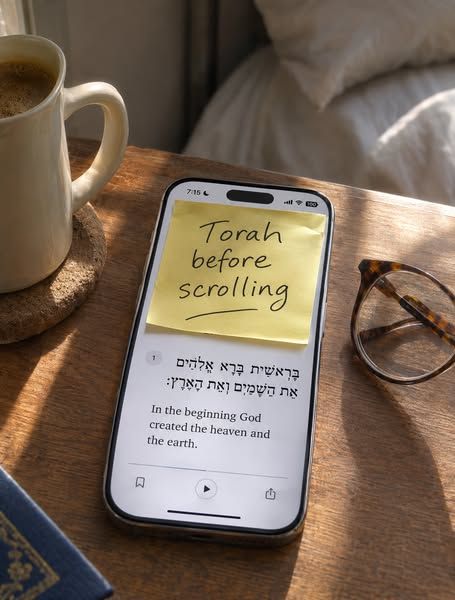 Meta · image · 18 days
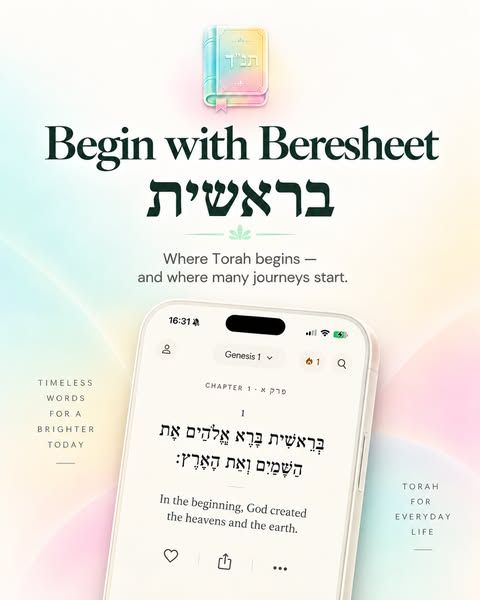 Meta · image · 14 days
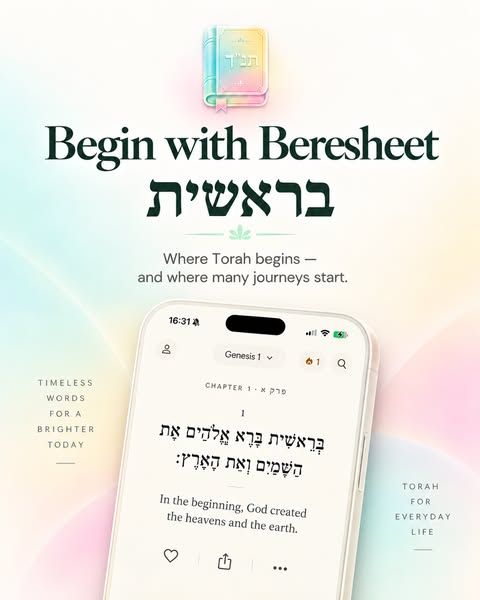
 Meta · image · 13 days
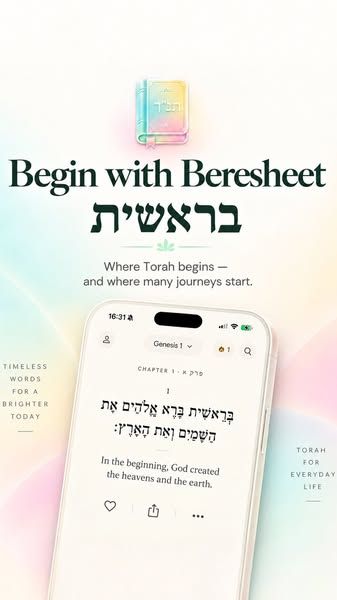 Meta · image · 9 days
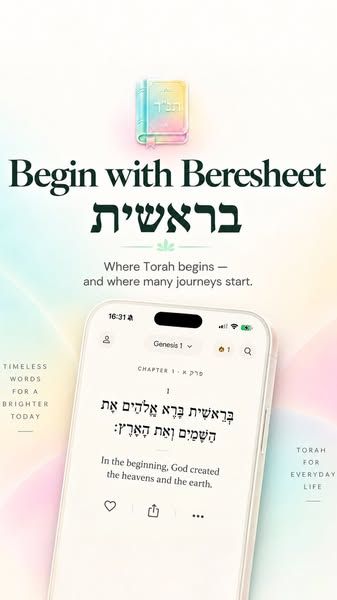
 Meta · image · 4 days
 Meta · image · 4 days
These are the longest-running ads in this set. Long runs usually mean the creative is working. Data comes from the official Meta, Google and TikTok ad libraries and updates daily; open the official library to view the original creative.
Research notes: competitor table, acquisition evidence, full research report
- Competitors
Name Where Launched Scale How it differs from this one Scroll The Bible(JCBSN LLC) iOS 2025-12-17 US 19,608 ratings, Books free #1, best Top Grossing #3, adding about 106 a day Format prototype: Christian Bible. Torah Feed swaps in Hebrew + Rashi + parasha + an unbroken Sabbath check-in streak BibleScroll: Christian Focus(Screen Detox Inc) iOS 2026-02-01 US 9,237 ratings, Books Top Grossing in 30+ countries; Meta has 328 ads running Screen-time route: you must read Scripture before other apps unlock. Heavy paid acquisition. Torah Feed doesn't lock other apps; it only does a reading feed Hebrew Bible Study - Torah(Moshe Cohen) iOS 2016-09-15 US 4,970 ratings; ranks #1 for "torah" / "tanakh" searches Traditional reader with dictionary, line-by-line translation and an AI rabbi chat; no scroll feed or streaks Sefaria Web 2016-12-20(App) App: US 773 ratings; sefaria.org Tranco rank about 37,100 Free nonprofit full library of Jewish texts, tool-first; Torah Feed is paid and sells a habit-forming light-reading experience TorahAnytime / Chabad.org Daily Torah Study iOS 2016–2021 TorahAnytime 11.5k ratings Institutional lecture audio/video and daily study plans, mostly free Hineni: Torah Study & Faith iOS 2025-09-21 US 391 ratings Daily Jewish practice habit app, not a verse-by-verse reading feed Torah Lock - Daily Tehillim iOS 2026-04-09 50 rating Read Psalms before unlocking apps; lock-screen route Scroll the Torah(Nathanel Jos) iOS 2026-01-24 5 rating Jewish quote feed, not full scripture text; never took off VerseScroll / Scrolls / BibleSwipe and other Christian scripture-feed copycats iOS 2025-11 to 2026-11 1–190 ratings each Same format, Christian content, crowded market; the Jewish side is empty - Where users come from
- Verified Meta install ads: The Facebook "Torah Feed" page 2026-09-29 posted ads with an "Install now" button linking directly to App Store id6806567664, headline "Scroll Torah, Not Doom", with creative served from fbcdn ad asset paths. On Instagram, comments reading "comment SWAP/LEARN for the app" trade for DMs with the creative. Spend size unknown.
- Verified Programmatic SEO: the torahfeed.app sitemap has 1,054 pages: 969 Tanakh per-chapter pages, 62 parasha pages, 12 blog posts, plus a daily verse page and random-verse tool pages. The domain is 1M+ on Tranco.
- Verified App Store keywords: name + subtitle "Torah Feed: Hebrew Bible / Swipe Jewish Scripture Daily". In the US, "torah" ranks #7; "hebrew bible" / "tanakh" are absent from the top 50 results.
- Inferred Religious calendar timing: launched 9-18, between the Jewish New Year and Yom Kippur. 9-29 published the blog post "Starting Beresheet again" and ran ads the same day. Version 1.4 added a parasha weekly goal and holiday greeting cards.
- Verified Instagram organic content: @torahfeed has 403 followers, posts one Hebrew etymology / Rashi piece a day, gets 1–6 likes, and ran a giveaway in 10-30 offering 3 months of membership.
- Inferred In-app rating prompt: 73 ratings but only 1 written reviews. The developer's replies ask users to update their rating.
- Inferred TikTok / X / Reddit / press: nothing found via TikHub, x-radar, or web search
Torah Feed: Hebrew Bible (iOS 6806567664) research report
In one line: Torah Feed is "the Jewish Scroll The Bible" built solo by Israeli engineer Daniel Novodvorets. It turns the whole Tanakh into a one-verse-per-screen scroll feed behind a hard paywall ($9.99/month, $39.99/year, 3-day trial). It hasn't clearly broken out. As of 2026-11-08 it had 73 US ratings, about 83 worldwide, adding 2–3 a day. The signal that caught our attention is that it squeezed into Books charts in a few small countries, but those charts have low bars (on the day it hit Israel's Books Top Grossing #19, it had only 1 ratings). What's worth watching is the playbook. Scroll The Bible reached 19.6k ratings and US Books Top Grossing #3 on the Christian side. Torah Feed carries that format over unchanged into the Jewish vertical, launches around the autumn holidays when new reading cycles begin, and pulls in users with Meta install ads, programmatic SEO and App Store keywords. The differentiation is the Jewish adaptation (fully vocalized Hebrew + Rashi + weekly parasha + unbroken Sabbath streak), not the format itself.
1. How to read the data card (correcting first)
- Ratings (appstore library, app_day, 2026-10-28 to 11-08): US 56 → 73,11 over 17 days; France 1 → 5; Canada 0 → 4; Israel 1. Worldwide total about 83, consistent with the card. The total_ratings in the
daily_all_countriescard jump between 56, 1, 63, 3, 70, 5 and so on. That's a measurement issue caused by which countries were sampled each day, not ratings actually dropping. Over the last 7 days, worldwide growth was roughly 15–20 new ratings, or 2–3 a day. - Charts (same library):
- US Books Top Grossing bounced between #169 and #196 (best #169,11-03);
- Israel Books Top Grossing went from 10-30 to #19, then slid to #160 by 11-08, when it had only 1 ratings in Israel. That shows a few subscriptions can get onto Israel's Books Top Grossing;
- Canada Books Free #48 (10-29), Top Grossing #70–#94; France Books Free #53–#85, Top Grossing #60 (11-02). The French version was added in version 1.3 by 9-28 (per version history).
- Never charted on any overall chart.
- Scale comparison (US, appstore library, 2026-11-08): Scroll The Bible 18,405 → 19,568 (11 days, +1,163, about 106/day, best Books Top Grossing #3); BibleScroll 8,223 → 9,212 (best Books Top Grossing #9). Torah Feed adds about 1.5 a day, which is only 1–2% of them. On the same day, the Christian copycat Scrolls: Scroll the Bible (Mobass, 22 ratings) was at US Books Top Grossing #173, roughly on par with Torah Feed. So charting on the paid list at that rank in that category shows people are paying, but the amounts are small.
- Reviews: Of 73 ratings, only 1 are written reviews (US 11-01, around three stars, in English transliteration). The developer replied "Added, hope you update your rating" (App Store web page 2026-11-08). Lots of ratings and almost no written reviews is the typical pattern for an in-app rating prompt (SKStoreReviewController), likely triggered at moments like check-ins or level-ups.
- Android: listed on Google Play as com.torahfeed.torah_feed, publisher listed as "Palace Technologies", 50+ downloads (Play page, 2026-11-08). Almost all traffic is on iOS.
- Website: torahfeed.app is not in Tranco's top 1M (not in the traffic library), so the site brings in very little traffic.
2. Competitors
| Competitors | Platform | Launched | Scale | How it differs from Torah Feed |
|---|---|---|---|---|
| Scroll The Bible(JCBSN LLC / Gabriel Jacobson) | iOS | 2025-12-17 | US 19,608 ratings, 4.8 stars; Books Free #1, best Top Grossing #3 (appstore library; iTunes lookup 11-08) | Format prototype: Christian Bible verse-by-verse swipe, one verse per screen. Torah Feed is its Jewish version, swapping in Hebrew + JPS English translation + Rashi, and changing the streak rules to follow the Sabbath |
| BibleScroll: Christian Focus (Screen Detox Inc, the BePresent company) | iOS | 2026-02-01 | US 9,237 ratings, in Books Top Grossing across 30+ countries; running 328 ads on Meta through a fake-named page "Charles Winston" (metaads library) | Screen-time route: other apps lock until you read Scripture. Heavy paid acquisition. Torah Feed doesn't lock other apps; it only does a reading feed |
| VerseScroll / Scrolls / BibleSwipe / Holy Scroll / BibleTok, etc. | iOS | 2025-11 to 2026-11 | 1–190 ratings each (appstore library) | A cluster of Christian scripture-feed copycats in 2026 shows the format is proven and crowded; the Jewish version is almost empty |
| Hebrew Bible Study - Torah(Moshe Cohen) | iOS | 2016-09-15 | US 4,970 ratings, 4.9 stars; App Store searches for "torah", "tanakh", "jewish bible" all rank #1 (iTunes search, 11-08) | Dictionary and line-by-line translation plus an AI rabbi "Rabbi Ari" chat, with AI-character short videos on Instagram driving installs. A traditional reader with no scroll feed |
| Sefaria (nonprofit) | iOS / web | 2016-12-20 | US store grade 773; sefaria.org ranks ~37,100 globally on Tranco (traffic library 11-06) | Free, full library of Jewish texts, strong as a tool; Torah Feed charges, but sells a habit + light-reading experience |
| TorahAnytime / Chabad.org Daily Torah Study / Chayenu | iOS | 2016–2021 | TorahAnytime 11.5k ratings; the rest in the tens to hundreds | Lecture audio/video or daily study plans, institutional backing, mostly free |
| Hineni: Torah Study & Faith | iOS | 2025-09-21 | US store grade 391 (iTunes lookup) | Daily Jewish practice habit app (study, prayer, gratitude) with a TikTok account; similar direction, different format |
| Torah Lock - Daily Tehillim(Daniel Namatinia) | iOS | 2026-04-09 | 50 rating | A Jewish take on 'read Psalms to unlock the app'; a recall card claims 5000+ active users, unverified |
| Scroll the Torah(Nathanel Jos) | iOS | 2026-01-24 | 5 rating | The name is the closest match, but the content is a stream of Jewish quotes, not verse-by-verse scripture reading; it never really took off |
| Daven Lock, Better Daily, Smart Brachot, etc. | iOS | 2026 | 1–20 ratings each | Jewish habit apps, small lock-screen apps |
Bottom line: the 'swipe through scripture' format has already been proven to scale in the Christian market, and that market is crowded with copycats; in the Jewish market, before Torah Feed, the only one was a quote-based version (Scroll the Torah) that almost nobody used. Torah Feed is the first to turn it into a proper verse-by-verse reading product.
3. Growth tactics (evidence)
- Meta install ads (confirmed): Facebook has a newly created 'Torah Feed' page (page id 61594344727152). 2026-09-29 It posted a post with an 'Install now' button, direct link itunes.apple.com/app/id6806567664, headline 'Scroll Torah, Not Doom', creative served from an fbcdn ad asset path (t45.1600-4), in the style of an app install ad, copy: "He used to open his phone and lose an hour to the feed…". Several Instagram image posts from 10-19 with 'comment SWAP / LEARN for the app 👇' are comment-to-DM acquisition hooks, very much like ad creatives. Our metaads library doesn't track this Page, so we don't know how much was spent or how many posts ran.
- Instagram organic (in progress, not much traction): @torahfeed has 403 followers, posting daily on Hebrew etymology, Rashi, or the week's parasha, getting 1–6 likes per post. It also ran a giveaway of 3 months of membership, 10-30 (TikHub Instagram API, 11-07). This channel isn't bringing in many people.
- Programmatic SEO (confirmed): The torahfeed.app sitemap lists 1,054 pages, 969 of which are book-by-book, chapter-by-chapter reading pages for the Tanakh, 62 parasha pages, and 12 blog posts (a guide to Shnayim Mikra, how to start the new Beresheet cycle, reading Proverbs in a month), plus tool pages like 'verse of the day', 'random verse generator', and 'Rashi commentary'. The site's App Store links carry the ct=website source tag. The domain hasn't entered Tranco yet, so its contribution is still limited.
- App Store keywords (partly confirmed): The name + subtitle is 'Torah Feed: Hebrew Bible / Swipe Jewish Scripture Daily'. In the US, a search for 'torah' ranks it #7 (iTunes search, 11-08), but searches for 'hebrew bible', 'tanakh', 'jewish bible' and 'parsha' don't show it in the top 50. Hebrew Bible Study and Sefaria hold those terms.
- Timing: autumn holidays and the new Torah reading cycle (inferred): 9-18 launched right between the Jewish New Year (2026-09-12) and Yom Kippur. Then Sukkot, and once Simchat Torah ended in early October, the annual cycle of the Five Books of Moses started over from Genesis. The developer 9-29 posted a blog, "Starting Beresheet again," and ran Facebook ads the same day. That same week, the 1.4 update added a "weekly parasha goal" and holiday greeting cards. It caught the "starting over" moment.
- TikTok / X / Reddit / media: nothing found: TikHub searches for 'torah feed' and 'torahfeed' return no videos for it; x-radar shows no posts mentioning it in the last 60 days; Reddit and Jewish media (Times of Israel, JNS, Forward) have no coverage in search.
- In-app retention and ratings: In 9 weeks it shipped 10 versions (1.0 through 1.9). Version 1.2 changed to continuous check-ins on Shabbat and holidays; version 1.4 added weekly goals, streak freezes, evening reminders, WhatsApp share images and GIFs; version 1.6 added levels and share cards; version 1.9 added English transliteration. All of these are retention features copied from Duolingo-style habit apps, and the ratings most likely came from in-app prompts.
4. Why it took off (within a small niche)
- The format was proven by others; it just switched audiences: Scroll The Bible hit 10 months of US 19.6k ratings and #3 in Books, and creators on TikTok recommended it organically (for example, jesuslovedmarthaa's 'The app is SCROLL THE BIBLE btw' with 328k views), with a dozen or so copycats. The Jewish user base is smaller, but there was no ready-made equivalent, and no one was claiming the space.
- The 'Jewishization' was done carefully, and the content was ready-made: fully vocalized Hebrew, the JPS 1917 English translation, and Rashi on every verse of the Five Books, all public domain or open texts (already on Sefaria). A strong front-end engineer (LinkedIn: senior engineer at Forter, self-described '10+ years full-stack, very strong in front-end, design and motion') could build a polished product in a month or two.
- Willingness to pay comes from religious users: users of religious reading apps are older and pay at higher rates. A $39.99/year plan with a 3-day trial paywall already works in the Christian market. In markets with large Jewish populations like Israel, Canada and France, the Books chart bar is low, so a few subscriptions can get you charted; the recall was triggered by that signal.
- Good timing: launching at the start of the autumn holidays and the new reading cycle, paired with Meta ads and 'new Beresheet cycle' content.
- But the scale is very small: 2–3 ratings a day, single-digit Instagram engagement, 50+ Android downloads. It looks more like an early sample that has 'just started testing paid acquisition and has a little revenue' than a product that has taken off.
5. Differentiation
- Compared with Christian scripture-stream apps like Scroll The Bible, the format is the same; the difference is in content and ritual: Hebrew original text, Rashi commentary, weekly parasha, continuous check-ins on Shabbat and holidays, holiday greeting cards from Rosh Hashanah through Tisha B'Av, and a French version aimed at the French Jewish community.
- Compared with established Jewish players like Sefaria, Hebrew Bible Study and Chabad, the difference is in interaction and habit mechanics. The veterans are libraries, dictionaries and lectures; Torah Feed is 'one verse per screen, TikTok-style swiping, with check-ins and levels'.
- Is differentiation why it took off? Partly, but it only explains why it can get paying users in a small circle. The format is borrowed, the bar for Jewishization is low (the texts are public domain), the moat is shallow, and growth depends on ad efficiency and holiday-timed operations.
6. Visibility and copycats
- Visibility: few people know about it yet. No media coverage, 0 mentions on X, no discussion on Reddit, revenue not disclosed, 403 Instagram followers.
- Copycats: none. No Jewish swipe-scripture app has appeared since. The similarly named Scroll the Torah (2026-01) came earlier but is quote-based. The Christian side keeps getting copycats (BibleTok 10-15, Holy Minutes 11-03, and the Islamic Quran Scroll 11-01 has launched too).
7. Takeaways
- 'Take a format already proven in a big religion or a large audience and move it to an adjacent small niche': from Christianity to Judaism, Islam, Hinduism or Catholicism, and into other languages (Spanish, Portuguese, French). Use public-domain texts and build a set of 'localized rituals' (holidays, Shabbat rules, commentary traditions) as the differentiator.
- Use the religious calendar as your growth trigger: time launches and ad pushes to the New Year and the new reading cycle.
- Three cold-start moves: Meta install ads, chapter-by-chapter SEO pages (turn a whole book into 1,000 landing pages), and keywords packed into the subtitle.
- The bar for the Books chart in small countries is very low, so charting is not hard. It can't be used to prove scale.
8. Still unclear
- How much was spent on Meta ads, for how long, and which countries they mainly targeted (our ad library doesn't track this Page).
- Actual revenue: we can't verify how much the US Books chart #170 or Israel #19 is worth. We can only judge that there are subscriptions, and very few of them.
- Is the iOS 'Five Books free' claim real? The website says the Five Books are free, but the App Store description says 'reading and all features require Torah+'. The two accounts don't match, so version 1.9 may have changed the paywall strategy.
- The recall card's claim that 'Torah Lock says 5000+ active users' is unverified.
- Whether the developer is running Apple Search Ads (the website links carry pt / ct parameters, which only show they're doing source attribution).
Sources
- App Store lookup / page / version history / in-app purchase pricing: apps.apple.com/us/app/torah-feed-hebrew-bible/id6806567664 (2026-11-08)
- Website and sitemap: torahfeed.app/, torahfeed.app/sitemap.xml, torahfeed.app/blog
- Google Play:play.google.com/store/apps/details?id=com.torahfeed.torah_fe…
- Facebook install-ad post: www.facebook.com/61594344727152/posts/122111520003478157/
- Instagram: www.instagram.com/torahfeed/, www.instagram.com/p/DerozcJoGfq/
- Developer: il.linkedin.com/in/nvdvrts, nvdvrts.com/
- Scroll The Bible: apps.apple.com/us/app/scroll-the-bible/id6756558351, faith.tools/app/scroll-the-bible
- Scroll the Torah:apps.apple.com/us/app/scroll-the-torah/id6757167531
- Internal libraries: appstore (app_day / app_profile / app_snapshot, 2026-10-28 to 11-08), metaads (advertiser, 11-08), traffic (rank_day, 11-06); TikHub (TikTok / Instagram), x-radar (last 60 days), iTunes search (via macmini, 11-08)