
"Five stars before the price": a Turkish-made etymology vocab app that cracked Turkey's Education Top Paid chart with under 2,000 installs
What it is An English vocab app by a solo Turkish developer. It teaches 85 Latin and Greek roots in Turkish, unpacks 4,723 exam words, uses spaced repetition, and is all behind a subscription (about $3/month or $12/year).
Why it took off It didn't catch on organically. The developer reused the hard paywall, rating prompt in onboarding, and Meta / TikTok paid-event bidding from his previous app (96k installs). "One root unlocks a family of words" makes the ad itself the first lesson. On Turkey's low-bar education paid chart, under 2,000 installs was enough to reach #49 on Play and #56 on iOS.
BHow you could follow it Do what the original author's translated versions didn't: pick a market with a national English exam and no root-based app yet (e.g., Brazil's ENEM, Spanish-speaking university entrance exams). Explain in the native language with the local exam word list, copy the onboarding flow of survey, mini root lesson, rating request, paywall, and run Meta install ads with one root per creative.
Est. monthly revenue (Google Play) under $1KWe estimated this from its rank on country top-grossing charts and real install counts, calibrated against real revenue; typical error is 2–3x. Read it as a tier, not an exact number.
- Data (updated daily) · first launch 2026-09-12 · 11-20 installs 2,541
Android · Total installs worldwide Data 2026-11-14 → 2026-11-20 (7 days, 7 observations). Google's detail page only refreshes install counts every other day, so a flat day doesn't mean nobody installed.
Wordana is a paid-only English vocab app with no free trial. Its pitch is "learn roots, don't memorize," aimed at Turkey's YDS and YÖKDİL exams. It didn't take off: it has only 1,881 installs on Google Play. But developer Emir Güngör carried over the playbook his previous app had validated: get people to rate before showing the price, teach one root per ad, and buy on Meta and TikTok against paid events. With this approach it reached Turkey's Education Top Paid chart within two months. Below: what the playbook is, how much money is involved, and whether there's room in other countries.
A one-star review: "stars first, price later"
In 2026 Oct 21, Turkish user Halit Ayaz left this on Google Play:
It asked for stars before telling me the price, then said ₺150 a month. Doesn't seem to have a trial either.
That same day developer Emir Güngör replied: the price isn't hidden. The last onboarding screen lists monthly, yearly, and lifetime plans, and nothing is charged unless you confirm. "We don't offer a trial, but we run a free demo of how the app works during onboarding."
That review captures Wordana's core design. Open the app, answer a survey, learn the "vis/vid" root, and use it to guess an unfamiliar word yourself. Then the rating window pops up, and the price only appears after you rate. The iOS changelog even has an entry: "Rating screen redesigned, rate in one tap without leaving the app."
The effect shows on the store page: roughly 145 ratings on Play, rated 4.6, with rating count at 7.7% of installs (Play store page, 11-15). A typical app sits at 1–2%.
What it is: learn roots, not words
The first paragraph of the store page says: if you know "fer" means "to carry," you don't need to memorize transfer, refer, prefer, infer, confer one by one. The app has 85 roots, 4,723 words, 118 phrasal verbs, and 310 preposition patterns (built as YDS-style fill-in-the-blank), with spaced repetition. Explanations are entirely in Turkish, with a set of high-frequency academic words for YDS, YÖKDİL, and YDT. YDS and YÖKDİL tie into academic titles and graduate admissions in Turkey, so test-takers will pay.
The paywall is hard: all content is locked behind Wordana Pro, with no free tier and no trial. Monthly is ₺149.99, yearly ₺599.99, lifetime ₺1,299.99 on Play and ₺1,099 on iOS (respective store pages, 11-15). In dollars, that's roughly $3 a month, $12 a year, and $23–$27 lifetime. No account sign-up, no ads, and data stays on the phone.
Android launched Sep 12, iOS launched Sep 14. The developer, Emir Güngör, lives in Ankara, and his GitHub bio reads "Gazi University Computer Engineering."
Scale: small, but paid rank is climbing
| Google Play | App Store (Turkey storefront) | |
|---|---|---|
| Cumulative | 1,881 installs (11-15) | Rating 80 (10-28) → 149 (11-15) |
| Education Top Grossing | #68 (11-14) → #49 (11-16) | #150 (10-29) → #58 (11-12) → #56 (11-16) |
| Rating | 4.6 ratings, about 145 | 4.6 stars, 149 ratings |
Daily new installs on Play (AppstoreSpy estimates): around 40 a day in mid-to-late October, rising from 10-30 to 11-05 to about 81 a day, then settling near 22. iOS rating counts are similar to Play, so across both stores the estimate is three to four thousand installs.
Don't be impressed by "Top Paid #49" alone. Turkey's Play education paid chart has a very low bar: #45 GlotCast and #50 İSG T Sınav each have only about 5,000 installs (Google Play, 11-16). Charting only shows people are paying, not that the money is large. At this rank, daily revenue is probably tens to hundreds of dollars (estimate). Whether ad spend pays back is not visible from outside.
Where users come from: every ad is a 15-second root lesson
Meta is the main channel. Its Facebook page "Wordana: İngilizce Kelime" has only 18 likes, yet the ads have run continuously since Oct 8 to now. 11-16 has 25 live creatives, all install ads, placed on Facebook, Instagram, Threads, and Audience Network. The copy reads almost like a product manual:
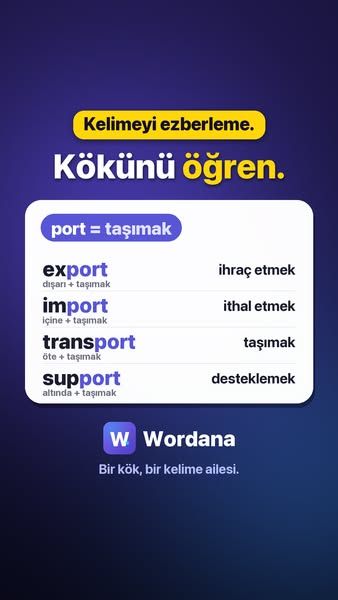
Stop memorizing English words the hard way. Learn roots and take a whole word family at once: port = carry → import, export, transport, support. 85 roots · 4,723 words · root maps. Only Wordana has it.
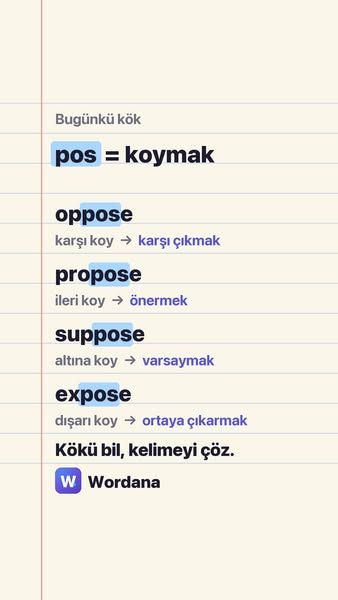
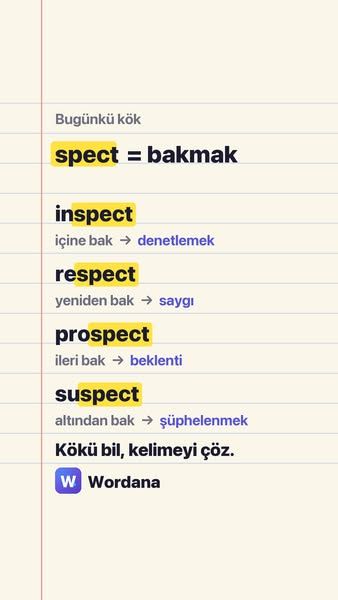
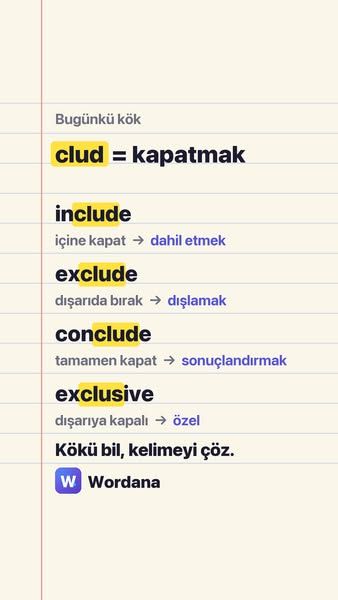
Some ads take a counterintuitive angle: "Diktatör (dictator) literally means 'one who speaks.' Predict, addict, verdict share the same root" and "Televizyon originally meant 'seeing far.'" Another type targets pain points: "Forget every word three days later? The problem isn't you, it's the method." From Oct 8 to Nov 6 the ads were mostly video. From Nov 10 a batch of image creatives for the spect, port, and pos roots was added, which looks like creative expansion and a budget increase. Coincidentally, on iOS the Top Grossing rank jumped from #91 on 11-10 to #58 on 11-12 (likely related).
One thing to note: on Oct 28, one ad said "50k+ downloads," when Wordana had only about 1,100 installs. That number looks borrowed from the download count of his previous app.
TikTok was a short test. The advertiser "Emir Güngör" ran 15 Wordana ads from Nov 2 to 5, landing on the Play store page. Those same days, Play daily installs rose from 40 to 81 and fell back to 22 after the spend stopped. The ad account in August was used for his previous app. The privacy policy states the Android build embeds TikTok and Meta ad SDKs, which send "onboarding completed" and "purchase" events (product, amount, currency) back to the platforms. In other words, he had the platforms hunt for users who look like paying ones.
Organic traffic is almost nonexistent. The YouTube channel has 18 subscribers and 44 videos, each with a dozen or so views. Instagram root short videos get single-digit likes. On X, nobody has mentioned it in nearly 90 days, and no media outlet has written about it.
The clever part of the ads: they show the product itself. A viewer sees "port unlocks a family of words," installs the app, and the first thing they do is guess a word using "vis/vid." Expectation matches experience, so less drop-off before the paywall.
Why him: the same playbook, run a second time
Wordana is Emir Güngör's second real product. In May he made Amel, an Islamic prayer times and Quran app, also with a long survey and a hard paywall, also asking for ratings during onboarding, and also buying installs through the same TikTok account. Amel now has 95,847 installs and 5,120 ratings on Play (rating rate 5.3%), and reached #57 on Turkey's Lifestyle Top Paid chart. In July he followed Amel's template for Lumen, a prayer app for American Christians. It still has only 0 ratings on iOS and didn't take off.
So Wordana wasn't a flash of inspiration. It's the second product off the same assembly line: the same stack (RevenueCat for subscriptions, Firebase, Meta and TikTok SDKs), the same paywall template, the same ad account, swapping in a local Turkish vertical need, and starting paid acquisition a month after launch. Bad reviews get the same treatment: reply to every one, and give people who ask for a trial the code WORDANA100 (₺100 off the first year of the annual plan). The iOS store page also features an in-app event, "30 days, 30 roots," which takes a slot in store exposure.
In this case the root method mainly makes the ads easy to shoot and gives the hard paywall a reason ("the method is different, so it's worth paying for"). That same year, a batch of "YDS 5000 words" and "YDS Pro"-style word-list apps appeared in Turkey, each with only 10–30 ratings, and none took off. That shows that an exam word list alone, without a hook that can be turned into an ad, is not enough.
Who it's competing with
| Product | Scale | How Wordana differs |
|---|---|---|
| Kelime+ (solo developer, 2021) | 1,667 ratings on the iOS Turkey store | Long-running exam word lists with quizzes, has a free tier, no roots |
| YDS - YÖKDİL İngilizce Kelime | Play 100k+ downloads | Image-based memory, free plus subscription, large volume but not on the charts |
| Blarma (Turkish company) | Play 407k installs, #12 on Education Top Paid | General vocab course, much bigger scale, doesn't focus on exams or roots |
| Flaş İngilizce (individual, 2026-08) | iOS #86 ratings | A "method-first" contemporary, uses Turkish stories for memorization |
| Etyma, Greek and Latin Root Words | US iOS store 153 / 370 ratings | Roots app with an English interface, no native-language explanations or local exams |
(Google Play / App Store, 11-14 to 11-16)
Turkey's exam vocab market is fragmented, and even the oldest, Kelime+, has only a little over a thousand ratings. Teaching English words through roots is an old method, but a version that explains in Turkish, targets the YDS exam, and dares to charge hard is currently unique to Wordana.
Nov 15: he went global himself
On Nov 15, the iOS 1.4.3 update notes said: "Wordana is now also on the App Store in Spanish, Portuguese, German, Japanese, and Korean." Checking Apple's API, the US, Spain, Mexico, Brazil, Portugal, Germany, Japan, and Korea storefronts can all download it, with localized names: the Japan store calls it "語源で覚える英単語," the Korea store "어근으로 영어 단어," and the Brazil store "Vocabulário Inglês." All of these storefronts currently have 0 ratings. The Android version is still Turkish only.
These foreign-language versions are only translations, though. The listings mention only TOEFL and IELTS. There's no Japan's Eiken or TOEIC, no Korea's CSAT (수능), no Brazil's ENEM. And the YDS preposition fill-in-the-blank questions from the Turkish version haven't been built in other languages.
How crowded each market is varies a lot:
- Japan and Korea already have players. Searching "語源 英単語" on the Japan App Store turns up seven or eight apps, mostly new launches from 2024–2026 years ago with dozens of ratings. Korea's 이지보카 (launched 2019 years ago, 1,790 ratings) and 해커스 보카 어원편 (from the large Korean prep company Hackers) have long been doing "root-based vocab" (App Store, 11-15).
- Western Spanish and Portuguese are basically empty. On the Mexico store, searching "vocabulario inglés raíces" turns up a few root-word apps all rated 0. Spanish and Portuguese both come from Latin, so English roots may feel more intuitive to these users (inference).
How well known is it?
Almost nobody knows about it. Revenue isn't public, no media coverage, nobody mentions it on X, and organic social views are single digits. Its only traces show up in the Meta and TikTok ad libraries. I haven't seen anyone copying it.
If it were you
Verdict: worth a try, but know that you're learning a paid-acquisition playbook, not copying a product that has been proven to make serious money. Wordana only proves two things: "root-word lessons as ad creative" gets clicks, and a hard paywall converts some exam-prep buyers. It doesn't prove the ads pay back, and the money behind its #49 spot on the Turkey education chart is small. The original author, Nov 15, has already put a translated version out in five languages, so simply "translate and copy" is half-taken by him already.
Who it suits: someone aged 1–2 who has run Meta install ads before and optimizes on paid-event postbacks; and a native speaker of a market with a national English exam who can build the local exam word list and question formats. Ideally, like Emir, you already have a paywall and subscription stack, so a second or third app is just swapping content.
Who it doesn't suit: anyone who won't run ads and is counting on organic traffic (Wordana's organic volume is close to zero); anyone trying to launch a root-word app from scratch in Japan or Korea (big companies and a crowd of new launches are already there); anyone targeting English-speaking markets (Membean and Vocabulary.com have done this for over a decade).
How to do it:
- Do what his translated version didn't: local exams. Brazil's ENEM, university entrance English in Mexico and other Spanish-speaking countries, Vietnam's and Indonesia's national English exams. Pick words by frequency from local past papers, build the question formats in (like YDS's preposition fill-ins), and write explanations in the user's native language, not machine translation.
- The root content is generic: roughly 85 Latin and Greek roots plus word families. Build it once and it works in any language. What you pay for is localized explanations and the exam word lists.
- Copy its onboarding flow closely: a questionnaire, a small root-word trial, a rating request, then the paywall. Price in three tiers (monthly, yearly, lifetime), with the yearly plan as the main push.
- Use RevenueCat for subscriptions, and send "onboarding complete" and "purchase" events back through the Meta and TikTok SDKs.
How to acquire users: Meta install ads, with each creative teaching one root ("port = carry → import, export, transport"), plus counterintuitive hooks ("dictator originally meant the one who speaks") and pain-point hooks ("you forget it in three days, and that's not your fault"). The peak season is the two or three months before exams, so scale budget along the exam calendar. Don't copy its "50k+ downloads" claim in ads. Inflated numbers give app review and reviewers grounds to act against you.
When to move before it does: watch Wordana itself. Its Spanish and Portuguese versions currently have 0 ratings. If it starts buying Meta ads in Latin America, that gap will fill fast. To enter Latin America, launch and start small-budget tests before Q1 of 2027 (inference).
What would mean you read it wrong:
- Wordana's Turkey top-grossing rank dropped out of the top 100 in December, and its Meta ad spend clearly fell. That suggests paid acquisition isn't paying back, and this playbook can't hold up in a small market.
- Its Spanish, Portuguese and Japanese versions are still single-digit ratings through Q1 next year. That means "translate plus buy ads" doesn't work. If you want to do it, build real local exam content, or skip it.
- The reverse case: if it breaks into the education top-grossing chart in Brazil or Mexico, that proves regional demand is real. But by then it will have a head start, and you'll need local exam content to differentiate.
Ads it's running
Meta has shown 11 ads, 11 of them still running, earliest 2026 Nov 6; TikTok has shown 9 ads, none running now, earliest Nov 2026 2.

Meta · Video · Running for 15 days · Still running · View original ↗
Kökü gör, ezberleme.Diktatör aslında "söyleyen" demek. DICT = söylemek → dictionary, predict, addict, contradict. Wordana İngilizce kelimeleri kökünden öğretir: 85 kök · 4.723 kelime · Kök Atlası.
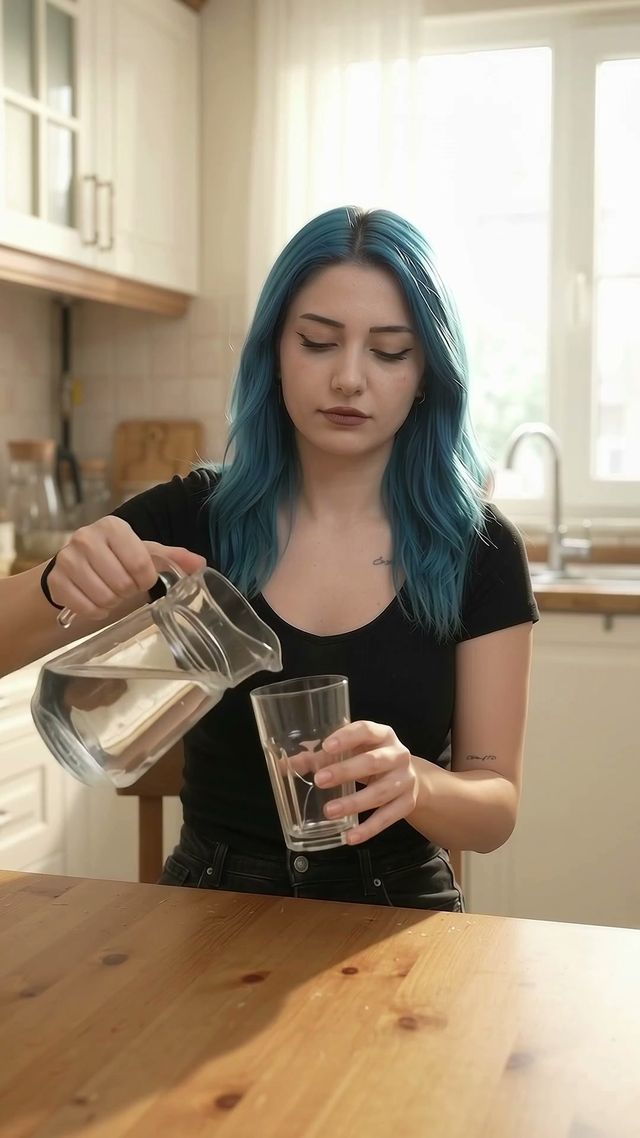
Meta · Video · Running for 15 days · Still running · View original ↗
Kökünü öğren, unutma.Her gün kelime öğrenip üç gün sonra unutuyorsan sorun sende değil, yöntemde. Wordana kelimeyi kökünden öğretir: 85 kök · 4.723 kelime · Kök Atlası.
TikTok · Video · Ran for 4 days · Stopped Nov 5 · View original ↗
310 edatlı kalıp, boşluk doldurma testiyle. “afraid from” demeyi bırak.
TikTok · Video · Ran for 4 days · Stopped Nov 5 · View original ↗
YDS, YÖKDİL, TOEFL kelimeleri tek uygulamada. Kökten öğren, kalıcı bil.
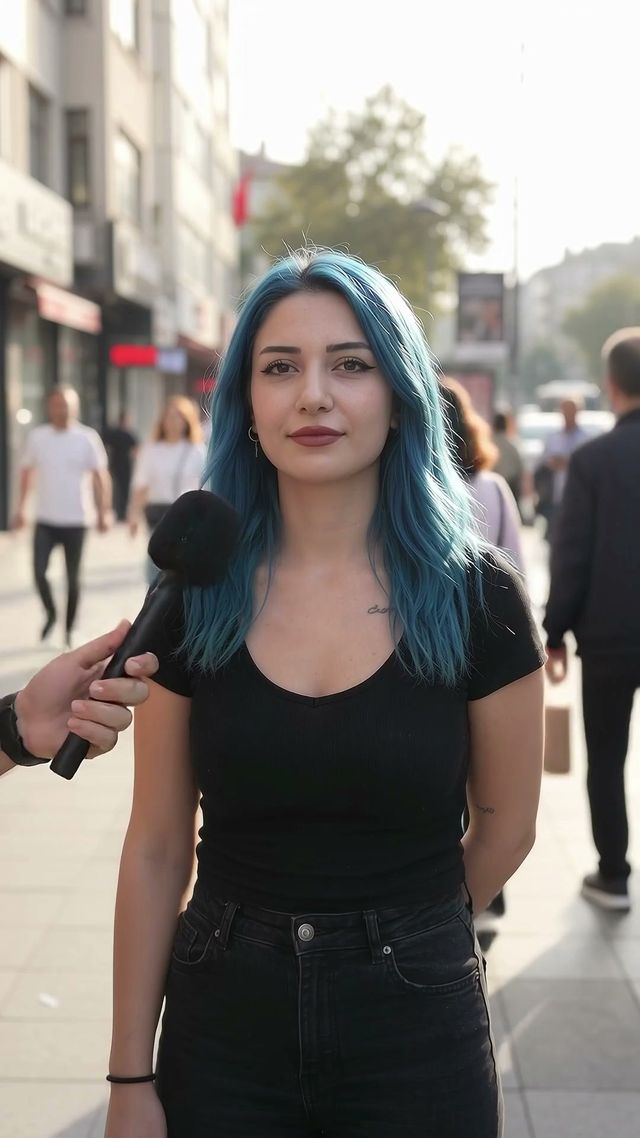 Meta · Video · 15 days
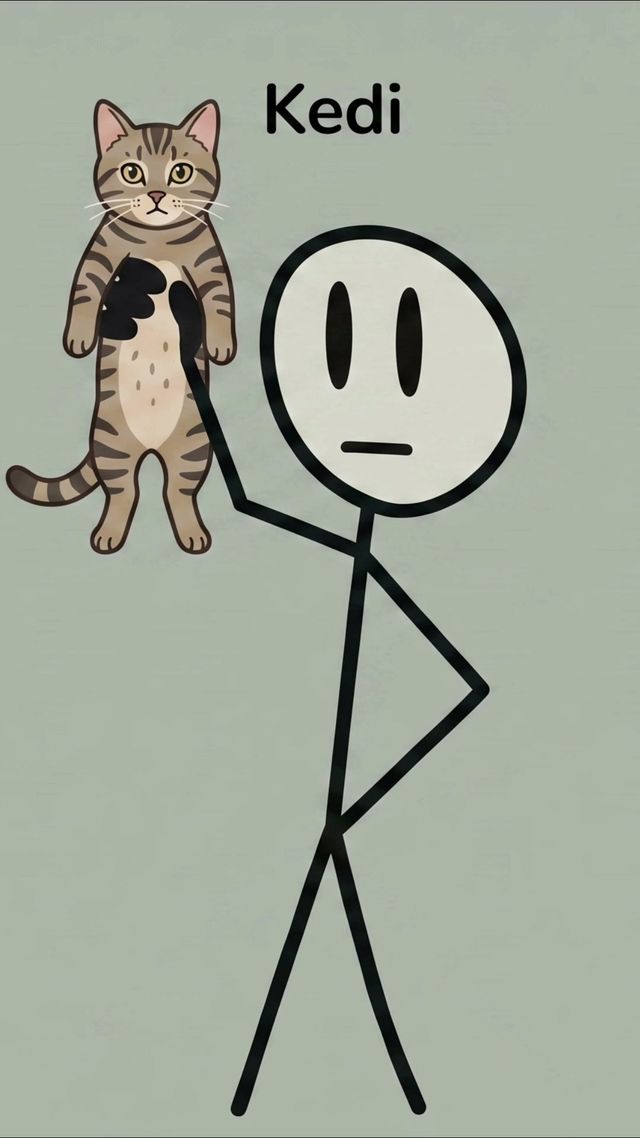 Meta · Video · 15 days
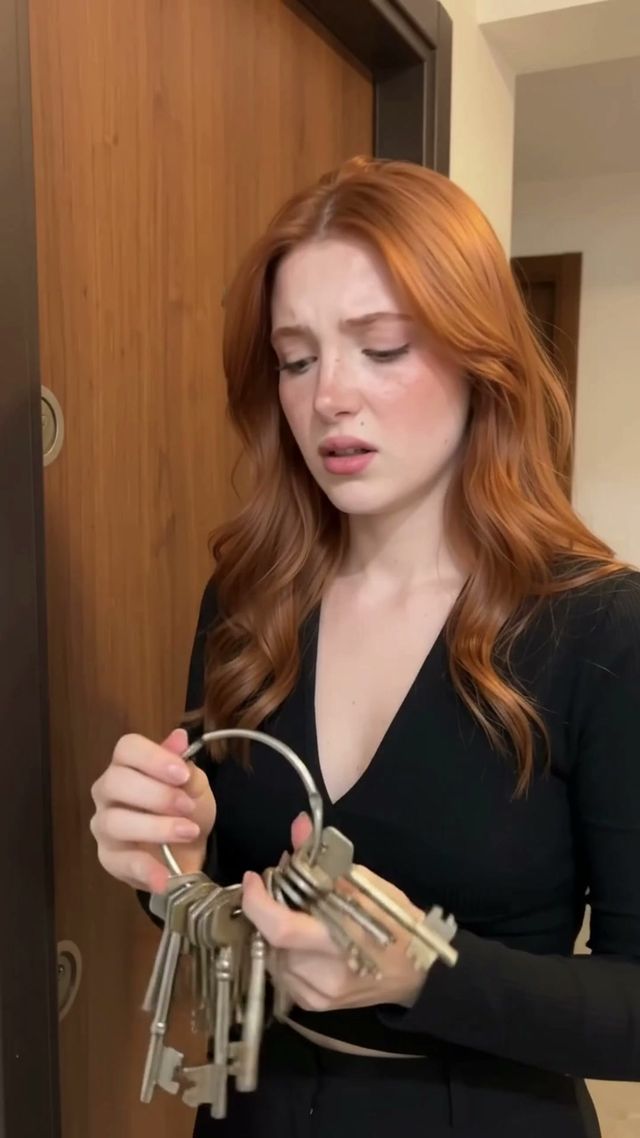 Meta · Video · 12 days
 Meta · Image · 8 days
 Meta · Image · 8 days
 Meta · Image · 8 days
 Meta · Image · 2 days
These are the longest-running ads in this set. Long runs usually mean the creative is working. Data comes from the official Meta, Google and TikTok ad libraries and updates daily; open the official library to view the original creative.
Research notes: competitor table, acquisition evidence, full research report
- Competitors
Name Where Launched Scale How it differs from this one Kelime+: YDS, YÖKDİL Hazırlık iOS 2021-01 iOS TR 1,667 rating 4.6 An established individual-developer app in the same exam vocabulary market: traditional word lists plus quizzes, with a free tier, no root-word system YDS - YÖKDİL İngilizce Kelime (com.ydsdil.vocabbuilder) Android Not verified Play 100k+ downloads, 7,170 rating Image-based memorization, free plus subscription. High volume, but never made the paid charts Blarma - Kelimeler öğren! Android 2022-08 Play 407,406 installs, TR education top grossing #12; iOS TR 6,327 rating Comprehensive vocabulary courses from a Turkish company, more than ten times the scale, not focused on exams or roots DuoCards Android 2020-04 Play 5.65M installs, TR education top grossing #41 General multilingual flashcards, not aimed at Turkish exams Flaş İngilizce: Kelime Ezberle iOS 2026-08 iOS 86 ratings A Turkish individual-developer app from the same period, differentiated by memorizing through Turkish-language stories with illustrations. Also a "methods" play YDS Koçu / YDS Pro / YDS 5000 Kelime / Dilci and others iOS 2026 10–30 ratings each A batch of exam-prep mini apps from 2026 (photo-based solution explainers, vocab lists) never took off. Etyma: Word Roots & Vocabulary iOS 2026-06 US store rating 153 Root-word apps with an English interface, aimed at the global English market, not Turkish or Turkish exams Membean / Vocabulary.com Web Around 2010 US school market An older method of teaching vocabulary through word etymology, with an English interface, aimed at US students Duolingo / Learna AI / Praktika Big-company features — Top 10 in TR education top grossing Comprehensive English learning, not focused on exam vocabulary - Where users come from
- Verified Meta feed ads (FB/IG/Audience Network/Threads/WhatsApp): in the metaads library, the Page "Wordana: İngilizce Kelime" started running ads on 10-08, 11-16 has 25 ads live, all aimed at installs. Creative is root-word explainer videos and images (port→import/export/transport…), with image creative added from 11-10. One ad reads "10-28 50.000+ indirme" (exaggerated)
- Verified TikTok ads: in the tiktokads library, advertiser Emir Güngör (Turkey) ran 11-02 to 11-05 with 15 ads pointing to com.wordana.app. The same account ran ads for Amel. The privacy policy states the TikTok SDK sends onboarding-complete and purchase events back. Daily Play installs rose from about 40 to 81 over the last few days
- Verified Onboarding rating request (rating funnel): Play negative review: "Asked for a star before saying the price." iOS changelog: "Rating screen redesigned, rate in one tap without leaving the app." Play rating / installs ≈ 7.7% (145/1,881), Amel about 5.3%
- Verified ASO / in-store conversion: App Store in-app event "30 Günde 30 Kök"; promo code WORDANA100 (handed out when replying to negative reviews); replies to every review; a root-word vis/vid mini-lesson before the paywall
- Verified Self-hosted landing page + organic social: wordana-indir.netlify.app with UTM/ct tracking; YouTube has 44 videos with 18 subscribers, each getting a dozen or so views; Instagram Reels get single-digit likes. Organic contribution is negligible
Why Wordana İngilizce Kelime Öğren (com.wordana.app) got traction
Bottom line first
- What it is: a Turkish-language English vocabulary app by individual developer Emir Güngör (computer engineering background from Gazi University, based in Ankara). The pitch is "learn by roots, not rote memorization" (Kök Atlası root map: 85 roots, 4,723 words, 310 preposition collocations, phrasal verbs), plus spaced repetition, aimed at Turkey's domestic YDS / YÖKDİL / YDT exams. All content is locked behind Wordana Pro: no free tier, no trial. Listed on Android 2026-09-12 and iOS 2026-09-14, both sold only in the Turkey store.
- Why it got traction: "got traction" is a bit of a stretch. More accurately, this is an app that used a hard paywall plus Meta/TikTok paid acquisition on a low-bar Turkish education chart to get a small-base positive payback signal. What made it work isn't that the product took off, but a playbook the developer had already validated on his previous app (Amel, an Islamic prayer app with 96k installs on Play), moved over as-is into the exam vocabulary category:
- Meta feed ads running continuously since 10-08, with creative that is all "one root, a chain of words" explainer videos and images (port = carry → import / export / transport / support). The hook and the product pitch are the same sentence.
- The onboarding flow starts with a questionnaire and a "vis/vid root" mini-lesson, asks users to rate the app before showing any price, and only then shows the paywall (₺149.99/month, ₺599.99/year, ₺1,299.99 lifetime).
- A self-hosted landing page, App Store in-app events, the promo code WORDANA100, and replies to every negative review, to round out store conversion.
- Differentiation: there are many English-exam vocabulary apps for Turkish speakers (Kelime+, YDS-YÖKDİL Kelime, etc.), and English "roots / etymology" apps exist overseas (Etyma, Greek and Latin Root Words). But the combination of "root method + Turkish exam word bank + Turkish-language explanations" is currently only being done by Wordana. The main effect of this differentiation is making ad creative easy to shoot, easy to understand, and memorable (every ad is itself a 15-second root lesson). That is likely why its conversion beats similar apps. Its chart position mostly comes from stacking paid acquisition and the paywall.
Data
Google Play (googleplay library, 2026-11-14 → 11-16)
| Date | Total installs | Version | TR education top grossing chart |
|---|---|---|---|
| 11-14 | 1,853 | 1.4.3 | #68 |
| 11-15 | 1,881 | 1.4.3 | #52 |
| 11-16 | 1,881 | 1.4.5 | #49 |
Since launch (AppstoreSpy estimates, app_day_ext): 10-22 is 823,10-29, 1,114,11-05 is 1,680,11-12, 1,835. Daily installs: 10-16 to 10-29 about 39–42/day, 10-30 to 11-05 about 81/day, and after 11-06 about 22/day. The 81/day stretch lines up with the TikTok ad window (11-02 to 11-05, see below).
The Play store page (scraped 2026-11-15) shows: 4.6 stars, 145 ratings, rated "1 B+" (1,000+) for downloads. Ratings / installs ≈ 7.7%, far above the typical app rate of 1–2%. The same developer's Amel is 5,120 / 95,847 ≈ 5.3%, and both apps use the same in-onboarding rating request.
The bar on the TR education top grossing chart is low. Next to it, #45 GlotCast has only 5,028 installs, and #50 İSG T Sınav has only 5,072 installs (googleplay library 11-16). So #49 only shows that someone is paying, not that the revenue is large.
App Store (appstore library, TR store)
- iOS app id 6803980893,2026-09-14 listed. Rating count 10-28 is 80,11-16 is 146 (the iTunes page 11-15 shows a 149,4.6 rating), 7-day rating growth 36,11-14, single day +13.
- TR education top grossing: 10-29 #150,11-07 #95,11-10 #91, 11-12 jumped to #58, 11-16 #56.
- TR education top free: 10-28 #168,11-14 #86,11-16 #98.
- Rating counts are similar to Play, so iOS and Android are at comparable scale. Paid rankings are climbing on both platforms.
Same developer
| App | Platform | Launched | Scale | Model |
|---|---|---|---|---|
| Amel: Prayer Times & Quran (prayer times / Quran / Islamic AI assistant) | Play / iOS | 2026-05 | Play 95,847 installs, 5,120 rating; iOS TR 1,480 rating; TR lifestyle top grossing #57 | Subscription-only, all content paid (negative review: "Spent a while reading before realizing everything costs money") |
| Lumen: Daily Bible Devotional | iOS | 2026-07-28 | 0 rating | Built the same way as Amel for American Christians. Didn't take off. |
| Wordana | Play / iOS | 2026-09 | See above | Hard paywall |
Sources: googleplay library, appstore library, iTunes lookup (developer id 1896310666), Play store page. The GitHub user EmirGungor's bio reads "Computer Engineer, Gazi University", with repos amel-privacy / amel-indir. Wordana's privacy page is also hosted on emirgungor.github.io.
Growth tactics (with evidence)
1. Meta feed ads: main channel, confirmed
Metaads has a Page for it, "Wordana: İngilizce Kelime" (page_id 1341549162371243):
- First ad 2026-10-08 went live, 11-16 running now, 25. The Page has only 18 likes, so it's pure paid acquisition, not organic content from the Page.
- Every ad uses the INSTALL_MOBILE_APP objective, running on Facebook / Instagram / Audience Network / Threads, some with WhatsApp added. 15 iOS ads, 10 Play ads.
- Early on (10-08 to 11-06) the ads were mostly video, and from 11-10 a batch of image creatives was added (rotating three root words: spect / port / pos), suggesting they're scaling creative and raising budget. The timing lines up with the iOS 11-12 Top Grossing chart jumping from #144 to #58 and the 11-14 rating rising +13 (inferred, not verified).
- Copy template: "Stop memorizing English words. Learn the root, get the whole family in one go: port = to carry → import, export, transport, support. 85 roots · 4.723 words · Root Atlas. Only on Wordana." They also run counterintuitive hooks like "Diktatör = söyleyen. Predict, addict, verdict come from the same root" and "Television actually means 'seeing far'", plus pain-point hooks like "Forget every word within three days? It's not you, it's the method."
- 10-28 has one ad reading "50.000+ indirme" (50k+ downloads). At the time Wordana had only about 1,100 installs, so this figure looks borrowed from Amel's download count. It's an inflated claim.
2. TikTok ads: confirmed, short-term test
The tiktokads library matched advertiser "Emir Güngör" (registered in Turkey, biz_id 7673082257535598608) to com.wordana.app (download_url points to the Play package name):
- Wordana's ads from 2026-11-02 to 11-05, 15 total ("Ezber yok. Önce kökü öğren, 4.723 kelimeyi kökünden çöz" / "310 edatlı kalıp… stop saying 'afraid from'").
- The same advertiser ran 12 Amel ads from 2026-08-13 to 08-15.
- The privacy policy states that the Android build embeds the TikTok Business SDK, sending back ad ID, install / open, completion of the onboarding screens, and purchase events (product, amount, currency), i.e., optimizing delivery for paid events.
- Play daily installs from 10-30 to 11-05 were about 81/day, falling back to 22/day after TikTok stopped. That matches.
3. In-store conversion tactics: confirmed
- Rating first, price later: a Play one-star review (Halit Ayaz, 10-21) reads "ücreti açıklamadan önce Yıldız istiyor sonra açıklıyor aylık 150 TL. deneme süresi yok" (they ask for a star before telling you the price, then reveal it's 150 lira a month, and there's no trial either). The iOS changelog says "Rating prompt redesign: you can now rate without leaving the app in one tap; fixed a bug where the in-app rating window wouldn't open." That's why the rating/install ratio is as high as 7.7%.
- Gives value first in onboarding: in replies to bad reviews the developer says that before the paywall there's a short "vis/vid root" experience, where the user learns one root and then uses it to guess an unfamiliar word. The release notes also say "TANIŞMA AKIŞI BAŞTAN YAZILDI" (the onboarding flow was rewritten from scratch). In November they added a mascot, the squirrel Fındık, who handles push reminders and narrates the onboarding.
- App Store in-app event "30 Günde 30 Kök" (30 days, 30 root challenges), pinned on the iOS store page; this is an ASO exposure slot.
- Promo code WORDANA100 (₺100 off the first year of the annual plan), distributed in replies to bad reviews.
- Self-built landing page wordana-indir.netlify.app: scanning a code routes to the right store by device, with links carrying
ct=landing_wordana_landingandutm_source=landingto track the channel. - The developer replies to every review, often correcting misunderstandings in the reply ("It has pronunciation, tap the speaker icon").
4. Organic content: nearly zero
- YouTube @wordanaapp: 18 subscribers, 44 videos. The "YDS Kelime Testi" series gets 12–16 views per video.
- Instagram @wordana.app posts root reels, with only single-digit likes in engagement (per the recall card; TikHub quota ran out, so TikTok organic content wasn't checked).
- Facebook Page: 18 likes.
- On X (x-radar, last 90 days): 0 posts. Web search turns up nothing from media or blogs beyond the store pages, appbrain, and its own social accounts.
Competitors
| Product | Platform | Launched | Scale | How it differs from Wordana |
|---|---|---|---|---|
| Kelime+: YDS, YÖKDİL Hazırlık(Kemal Bakacak) | iOS (also Android) | 2021-01 | iOS TR 1,667 rating 4.6 | An established personal App in the same exam-vocabulary market, using traditional word lists + quizzes, with a free tier; no root-based system. |
| YDS - YÖKDİL İngilizce Kelime(com.ydsdil.vocabbuilder) | Android | Not verified | Play 100k+ downloads, 7,170 rating | Image-assisted memorization, free + subscription; large volume but not on the paid charts. |
| Blarma - Kelimeler öğren!(Blarma Teknoloji A.Ş.) | Android / iOS | 2022-08 | Play 407,406 installs, TR education top grossing #12; iOS TR 6,327 rating | A综合 vocabulary course from a Turkish company, more than ten times the scale; not focused on exams or roots. |
| DuoCards | Android / iOS | 2020 | Play 5.65M installs, TR education top grossing #41 | General flashcards + spaced repetition, multilingual; not aimed at Turkish exams. |
| Flaş İngilizce: Kelime Ezberle(Seckin Ozel) | iOS | 2026-08-19 | iOS 86 ratings | A Turkish individual developer App from the same period, differentiating with "Turkish memory stories + illustrations"; like Wordana, a "method-first" product. |
| YDS Koçu / YDS Pro / YDS 5000 Kelime / Dilci and others | iOS | 2026 | 10–30 ratings each | A large batch of exam-related small Apps over 2026 years, doing photo-solving explanations or word lists; none took off. |
| Etyma: Word Roots & Vocabulary | iOS | 2026-06 | iOS US store 153 ratings | A root-based App with an English interface, aimed at the global native-English and study-abroad market; doesn't do Turkish or Turkish exams. |
| Greek and Latin Root Words | iOS | 2013 | 370 rating | Older root-reference tools, with no spaced repetition or exam vocabulary bank. |
| Membean / Vocabulary.com | Web | Around 2010 | US school market | Older methods that teach vocabulary through roots / etymology, with an English interface, aimed at American students. |
| Duolingo, Learna AI (Codeway), Praktika, etc. | Big companies / top players | — | Top 10 in TR education top grossing | Comprehensive English learning, not specifically exam vocabulary; holds the top spot, but it's not competing for the same need as Wordana. |
Summary: Turkish exam vocabulary is a fragmented long-tail market. Even the older player Kelime+ has only a little over a thousand ratings, and there's no strong paid head. Teaching English words through roots isn't new, but nobody has built a product that is in Turkish, tied to the YDS / YÖKDİL exams, and willing to charge hard.
Why it works (by importance)
- The playbook is reused, not discovered by trial: Amel May launched with the same combination: a local Turkish vertical need, polished UI, a long onboarding questionnaire with a hard paywall, Meta / TikTok paid acquisition feeding back purchase events, and onboarding that asks for a rating. The result was 96k installs and #57 in TR Lifestyle Top Grossing. Wordana moved this playbook to exam vocabulary and started running ads within a month (10-08). The same advertiser's TikTok account ran Amel first and Wordana later, which is direct evidence.
- The creative is the product: "one root unlocks a string of words" is itself a piece of knowledge that can be explained in 5 seconds, a natural fit for feed ads. The ad copy and the App's selling point are structurally identical, so what users see after clicking is the very thing the ad promised (the vis/vid mini-experience in onboarding), which keeps conversion loss low.
- Turkish exam takers have clear willingness to pay and low price sensitivity: YDS / YÖKDİL affect academic titles, civil-service points, and graduate admissions, so people preparing for them will pay for "quickly mastering vocabulary." ₺599.99/year (roughly a dozen-plus US dollars at current rates, unverified) is mid-to-high priced in Turkish education, yet the App keeps climbing the Top Grossing charts.
- Low chart thresholds let small bases reach the chart: around TR Play Education Top Grossing #45–#50, the Apps are at the five-thousand-install level, and two thousand installs with a few dozen new daily installs can reach #49.
- Store reputation is manufactured: asking for ratings during onboarding yields a 7.7% rating rate and a 4.6 score. Combined with replying to every bad review and offering promo codes, this softens the backlash a hard paywall would otherwise cause.
Differentiation
- Its differentiation: the "root method (Kök Atlası)" + "a Turkish-exam-specific word bank (YDS / YÖKDİL / YDT academic words, with preposition collocations turned into YDS-style fill-in-the-blank)" + "full Turkish explanations, offline, no account, no ads."
- Is it a product of the playbook? Partly, but not entirely. It mainly solves acquisition creative and conversion messaging: giving ads a "oh, so that's how it works" knowledge point, and giving the hard paywall a defensible reason ("the method is different, so it's worth paying for"). What actually pushed it up the charts is the combination of paid acquisition and the paywall. Without the root method and instead with "YDS 5000 words," the same playbook probably would still run, but the creative would be much harder to make and clicks and conversions would be worse. The batch of "YDS xxx" small Apps from 2026 years ago that never took off supports this.
Visibility
Hardly anyone knows about it yet. Revenue isn't public (no TrustMRR listing, and the founder hasn't posted revenue). X has 0 posts. No media or blog coverage. Organic social views and likes are single digits. Only the Meta and TikTok ad libraries show it running ads. No copycats found so far. Flaş İngilizce (memory-story method) and Etyma (English root App) that appeared in the same period are parallel attempts, not copies of it.
What others can borrow
- "Method-driven" vocab app + local exam prep + native-language explanations + hard paywall can be transplanted to other exam markets: Korea's TOEIC / civil service English, Japan's Eiken, Vietnam and Indonesia's national English exams, IELTS prep in the Middle East, Brazil's ENEM, and more. Root-based content is a one-time build that works across languages. Swap in a new native-language explanation layer and exam word list, and it's reusable.
- Make the ad creative itself the first lesson: each ad teaches one root, then the onboarding has the user use a root hands-on, so there's no gap between the ad and the first experience.
- An indie developer's assembly line: the same tech stack (RevenueCat + Firebase + Meta SDK + TikTok SDK), the same paywall template, the same ad account, shipping a local vertical App every two or three months and testing ROI with small budgets. Ones that don't work (like Lumen, which didn't take off after moving to the US market) are simply left alone.
- Requesting ratings mid-onboarding and sending promo codes in replies to bad reviews: low cost, but mind the platform policy risk (Google and Apple both prohibit incentivized reviews; for now it's "asking for a rating," not "trading rewards for good reviews").
Unknowns
- Actual revenue and ROAS: chart rank only shows that revenue exists, not whether paid acquisition pays back. The TR Education Top Grossing threshold is low, so the daily revenue at #49–#56 may be only tens to hundreds of dollars (inferred).
- Real iOS downloads: Apple doesn't disclose them. Rating counts are comparable to Play, suggesting iOS downloads in the 1–3 thousand range (inferred).
- Retention and renewal: the App has only been out for two months, so the share of annual vs. lifetime one-time purchases and monthly renewal rates aren't visible.
- TikTok organic content: not checked because the TikHub quota ran out; the TikTok ad library only covers part of the delivery, and whether it kept running TikTok ads after 11-05 is uncertain.
- Whether the "50.000+ downloads" ad was a typo or a deliberate borrowing of Amel's number is uncertain.
- Whether the developer is full-time and whether there's a team (a review reply says "içerikleri ekibimizle hazırlıyor," i.e., "content prepared by our team") is unverified.
Sources
- googleplay library: app / app_day / app_day_ext / chart_rank / v_chart (2026-11-14 to 11-16)
- appstore library: app_profile / app_day / chart_rank / app_snapshot / app_name (TR, 2026-10-28 to 11-16)
- metaads library: advertiser / ad / app_link (page_id 1341549162371243)
- tiktokads library: watch / adv_map / advertiser / ad (biz_id 7673082257535598608)
- Play store page: play.google.com/store/apps/details?id=com.wordana.app&hl=tr&… (includes reviews, pricing, developer address)
- App Store page: apps.apple.com/tr/app/wordana-i-ngilizce-kelime/id6803980893 (pricing, In-App Events, review replies, version history)
- Privacy policy (updated 2026-11-01): emirgungor.github.io/wordana-privacy/privacy.html (Meta SDK, TikTok Business SDK, RevenueCat, Firebase)
- Landing page: wordana-indir.netlify.app/
- YouTube:www.youtube.com/@wordanaapp ;Facebook:www.facebook.com/p/Wordana-%C4%B0ngilizce-Kelime-61594694949…
- Amel Play page: play.google.com/store/apps/details?id=com.amel.app; iTunes lookup developer id 1896310666
- Competitors: iTunes lookup (Kelime+ 1547166351, Flaş İngilizce 6800867995, etc.); Play pages com.ydsdil.vocabbuilder and com.blarma; search app_name / app_snapshot in the appstore library for "YDS / YÖKDİL / root word / etymology"
- GitHub user EmirGungor (gh api)